In the realm of data management and algorithmic analysis, the term "Verhoeff DB" may not be a household name, but it holds significant importance for those involved in database systems and digital information processing. At its core, Verhoeff DB relates to the application of the Verhoeff algorithm, a method used for error detection and correction in digital data, particularly in the context of database management. This algorithm, designed by Dutch mathematician Jacobus Verhoeff, is notable for its effectiveness in checking and correcting errors in numeric data, making it a valuable tool in various digital applications.
Context and Background
The Verhoeff algorithm is based on the principle of check digit calculation, where a single digit is appended to a number to verify its authenticity and check for potential errors. This method is widely used in everyday applications, from barcode scanning to credit card number validation. The adaptation of this algorithm in database management, thereby referred to as Verhoeff DB, underscores the importance of data integrity and reliability in digital systems. Given the proliferation of digital data and the increasing dependency on database systems, the role of error detection and correction mechanisms like Verhoeff DB becomes increasingly vital.
An interesting application of the Verhoeff algorithm can be seen in the context of  digital circuit design and Field-Programmable Gate Arrays (FPGA), where hardware implementation enables fast and efficient data processing and verification.
Details of Implementation
Implementing Verhoeff DB in a database system involves integrating the Verhoeff algorithm into the data entry and validation processes. This can be achieved through software coding, where each time data is entered or updated, the algorithm checks for errors and appends a check digit to ensure data consistency. The specifics of implementation can vary depending on the database management system in use and the nature of the data being managed. For instance, in systems handling large volumes of numeric data, such as financial databases, the application of Verhoeff DB could significantly enhance data reliability and security.
In certain medical and research contexts, data accuracy is paramount, such as in 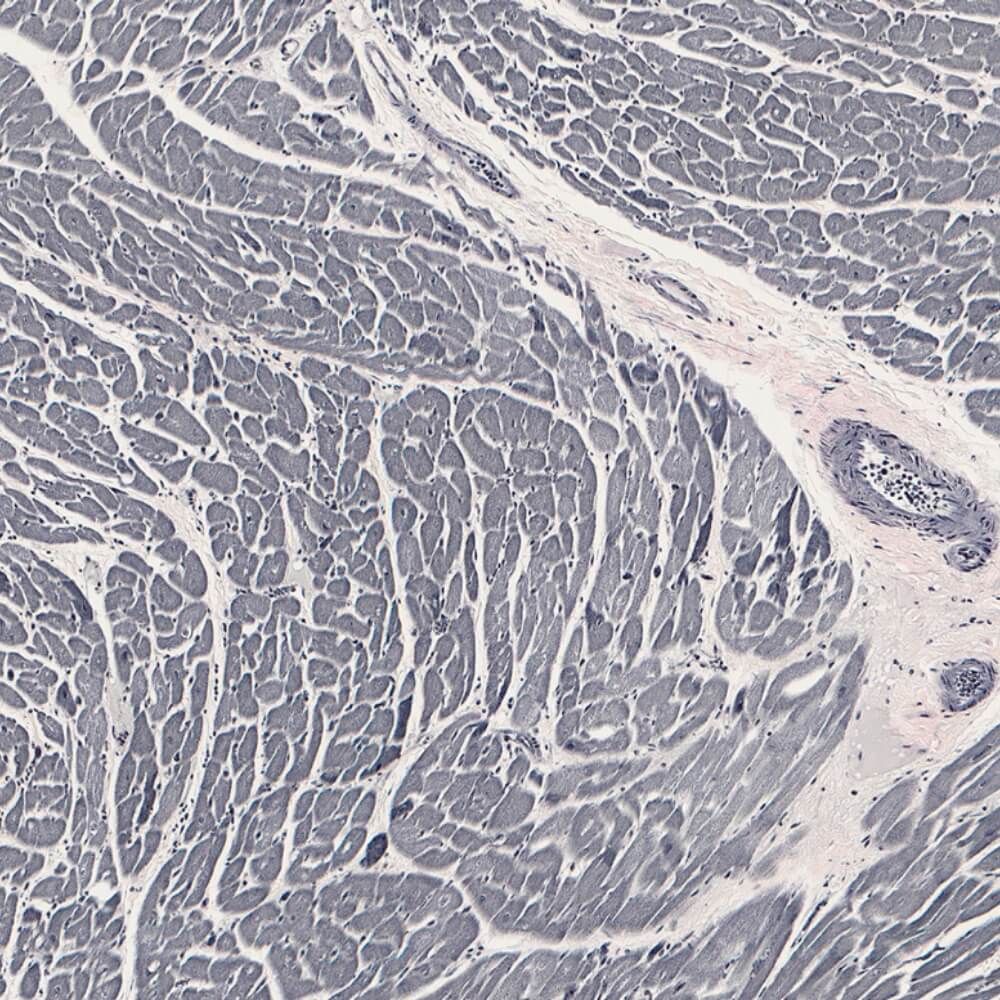 staining tables and microscopic analyses, where slight discrepancies can lead to incorrect conclusions. The application of error detection mechanisms like Verhoeff DB, though not directly related to image analysis, highlights the broader need for precision and verification in all forms of data handling.
Implications and Future Directions
The implications of Verhoeff DB extend beyond mere error correction; it plays a critical role in maintaining data security and preventing potential hacks or data breaches. In an era where digital data is increasingly vulnerable to cyber threats, mechanisms like Verhoeff DB contribute to a multi-layered approach to data protection. As database systems continue to evolve and handle more complex and varied forms of data, the development and integration of advanced error detection and correction algorithms will be essential.
For individuals and organizations seeking to enhance their data management practices, understanding and potentially implementing Verhoeff DB could offer a competitive edge in terms of data reliability and security. This is particularly true for sectors where data accuracy directly impacts outcomes, such as finance, healthcare, and scientific research. As the digital landscape continues to grow and become more interconnected, the significance of robust data management tools like Verhoeff DB will only continue to increase.
Verhoeff - Kit | 01VER100T | Histoline

Verhoeff - kit | 01VER100T | Histoline
Representative Images Of Verhoeff's Van Gieson Staining Of Elastic

Representative images of Verhoeff's Van Gieson staining of elastic ...
Keaton Verhoeff - Goals Compilation | 2026 NHL Entry Draft - YouTube

Keaton Verhoeff - Goals Compilation | 2026 NHL Entry Draft - YouTube